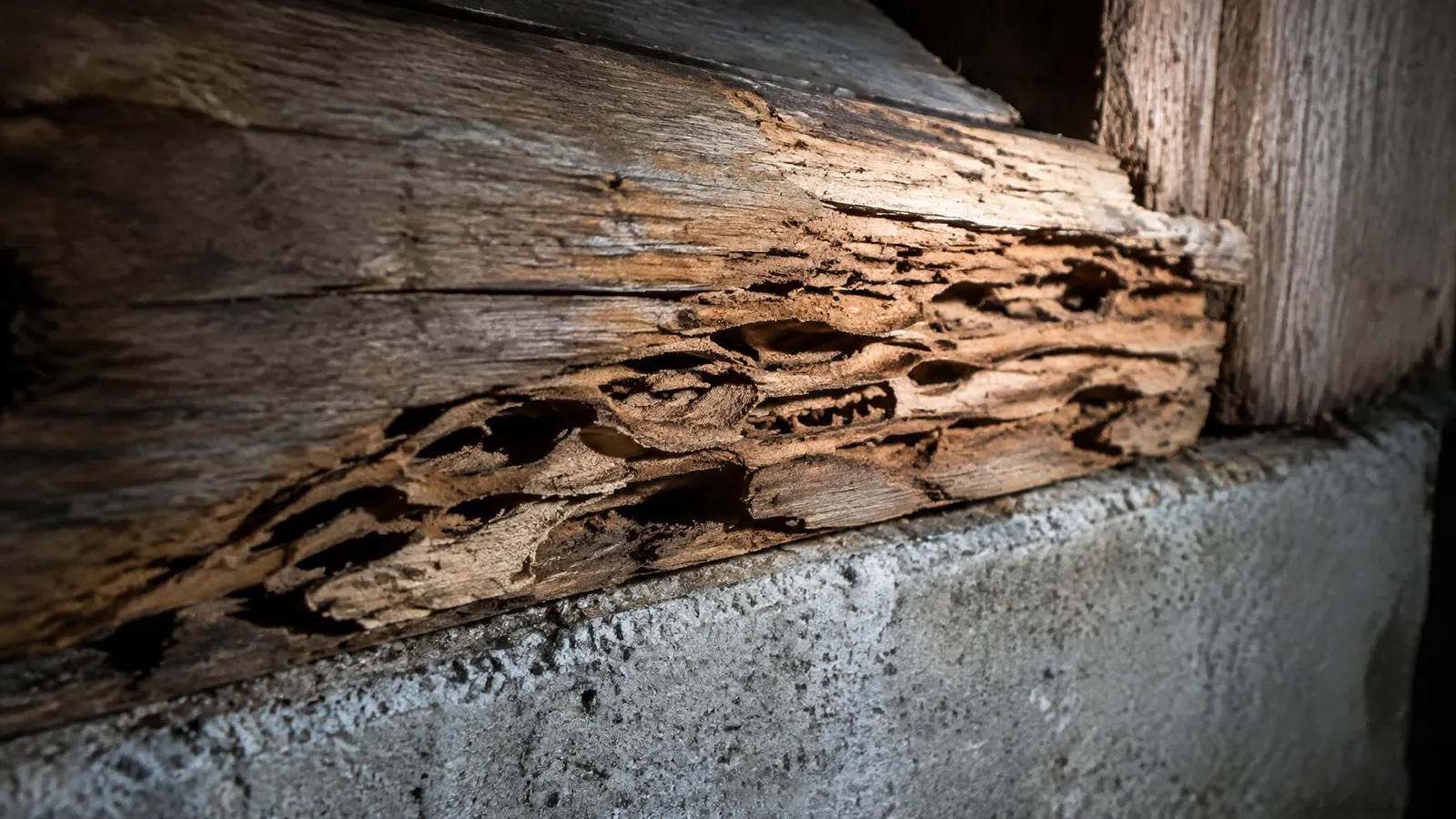
Termites
Termite control in Bakersfield
Kern County has two kinds of termite problem, and they get handled differently. Call to reach an independent company that does termite work here.
Calls answered early morning to late evening
Drywood or subterranean: the difference that matters
Drywood termites live inside the wood they eat and need no contact with soil. UC IPM says the western drywood termite is common along the Pacific coast and into the Central Valley. Colonies are small, usually under 1,000 insects, and can be scattered through a house, which makes them hard to find.
Subterranean termites nest in soil and reach wood through earthen shelter tubes. UC IPM calls them common throughout California and says the main group is the most destructive in the state. A mature colony can hold hundreds of thousands of workers.
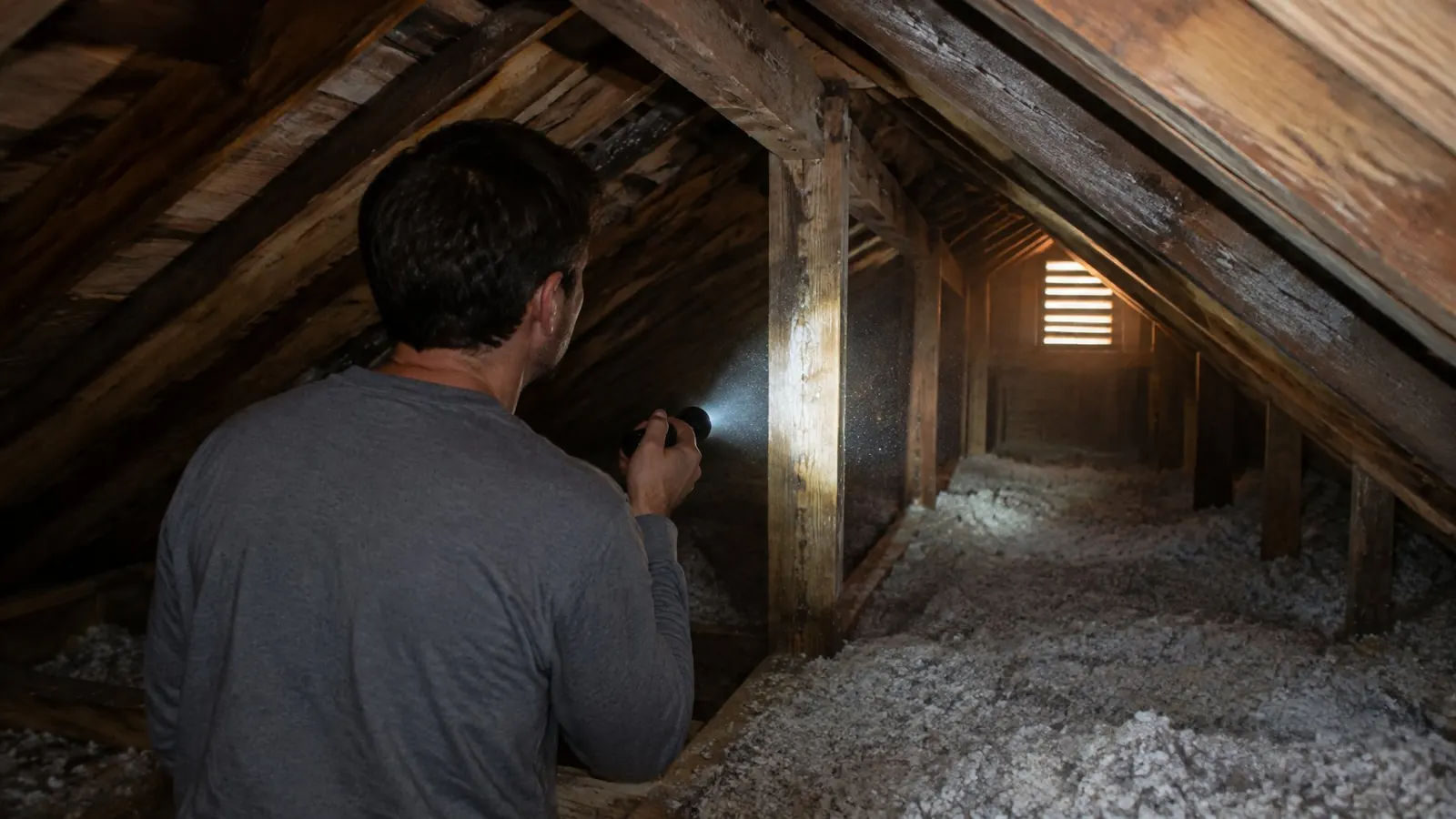
How to recognize them
- Tiny six-sided pellets piled on a sill or floor below a small hole. These point to drywood termites.
- Mud tubes running up a foundation, wall or pier. These point to subterranean termites.
- Winged insects indoors, or shed wings near a window. Drywood swarmers fly in daytime during summer and fall. Subterranean swarms come out on warm, sunny days after fall or spring rain.
- Wood that sounds hollow, or tunnels you can see when you remove a damaged board.
What a termite visit usually involves
An inspector looks through the accessible parts of the structure for damage, pellets, wings and tubes, then writes up findings and recommendations. California law sets what that written report has to contain, including the areas that could not be reached.
For drywood termites, the main choice is between treating the whole structure and treating a spot. Fumigation means leaving the house for several days. Heat also treats the whole structure, with people out for hours instead. A spot treatment can only reach the wood it is applied to, so UC IPM advises homeowners to understand the distinction before agreeing to anything.
For subterranean termites, work usually focuses on the soil around and under the structure, plus fixing wood-to-soil contact and moisture. Ask the company to explain what it recommends and why.
When to call
- You found pellets, tubes or wings and don't know how long they have been there.
- You're buying or selling and need a report. See the guide to the termite report before buying.
- It has been a while since anyone looked. UC IPM suggests an inspection every 3 to 5 years.
Termite questions
Do flying termites in the house mean the house is infested?
Not always. UC IPM says a swarm does not always mean an infestation and that an inspection is usually needed to confirm one.
Can both kinds be in one house?
Yes. They live differently, so one treatment plan may not cover both. Ask the inspector which kind was found and which the proposed work addresses.
Seeing something now? Make the call.
Say what you found, where you found it, and your ZIP. The company on the line can tell you how it would handle the job and what a visit involves.
Calls answered early morning to late evening. Calls may be recorded. Referral disclosure